Whole-House Rewiring Costs and Timelines for Older Phoenix Homes
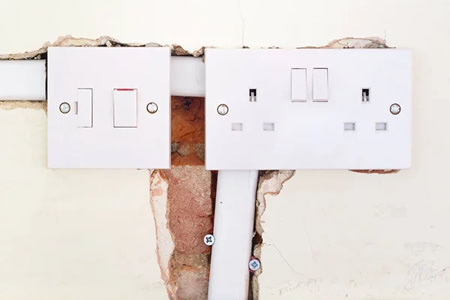
If you own an older home in Phoenix, you may be wondering how long a whole-house rewire takes and what drives the overall budget. The short answer is that both depend on your home’s age, wiring type, and access. A professional whole-house rewiring plan replaces aging conductors, updates devices, and prepares your home for today’s power needs without constant tripping, flickering, or worry.
Phoenix has many mid‑century and historic neighborhoods, from Willo and Encanto-Palmcroft to Coronado and Sunnyslope. Homes from the 1950s through the 1970s often have aluminum branch circuits or older cloth-sheathed cable. Rewiring brings these homes up to modern safety and performance standards while preserving the character you love.
Why Older Phoenix Homes Need Whole-House Rewiring
Electric demand has changed a lot. Central air, EV charging, home offices, and smart devices all pull more power than many legacy circuits were designed to handle. Heat is another local factor. Attic temperatures in summer can soar, which is hard on old insulation and connections. Over decades, expansion and contraction can loosen terminations and create hot spots.
- 1960s and 1970s builds may have aluminum branch wiring that needs specialty repairs or replacement.
- Pre‑1950s homes might include limited knob-and-tube or early cloth-sheathed cable with brittle insulation.
When these systems age, you may notice frequent breaker trips, warm faceplates, or lights that dim when the AC starts. Never ignore persistent odors like burning or melting plastic. Those are warning signs to call an electrician right away.
Whole House Rewiring in Phoenix: What Affects the Timeline
Rewiring time varies by house. Most projects move through predictable phases, but the calendar depends on size, access, and finish level. Here are the biggest factors that influence schedule:
- Home size and story count. Larger, multi‑level homes take longer to fish new cable and test circuits.
- Access and attic conditions. Tight crawlspaces or super‑hot attics slow progress and may require shorter work windows in peak summer.
- Wall and ceiling finishes. Plaster, tile backsplashes, or intricate millwork require extra care and patch planning.
- Panel condition and capacity. If your main panel is undersized, pairing rewiring with electrical panel upgrades can streamline inspections and reduce repeat visits.
- Scope. Rewiring often includes new grounded outlets, GFCI/AFCI protection, and dedicated appliance circuits to match modern codes.
Local inspection scheduling also plays a role. Your electrician coordinates permits and inspection timing so each phase can move forward efficiently. Plan for at least a few power‑down windows during rough‑in and panel work.
What Drives Project Budgets in Phoenix Homes
Every home is different, so responsible pros avoid flat pricing. Instead, they evaluate:
Square footage, circuit count, and wire runs. Long pulls through finished spaces take more labor. Specialty materials such as copper upgrades, tamper‑resistant receptacles, and combination GFCI/AFCI protection add to material totals. Patch and paint needs matter too. If your walls require extensive repair after fishing new cable, that affects the final invoice.
Outdoor equipment can also influence scope. Pool pumps, outdoor kitchens, EV chargers, and heat pumps often require dedicated circuits. In older Phoenix homes, it is common to combine rewiring with surge protection and a panel upgrade to future‑proof the system.
Aluminum, Knob-and-Tube, and 1960s Wiring in Phoenix
Many houses built here in the late 1960s and early 1970s used aluminum branch wiring. Safe remediation methods include specialized connectors and pigtailing, but full replacement during a rewire is often the cleanest long‑term solution. To learn how local inspectors look at this, see our article on aluminum wiring in older Phoenix homes.
True knob‑and‑tube is less common in Phoenix than in some older U.S. cities, but you may find it in select historic properties. Disturbed or modified sections are the usual concern. Older wiring can also limit insurance coverage if not kept in safe condition. A full rewire resolves these risks and brings your home up to modern protection standards.
Project Timeline: From Assessment to Final Inspection
Here is a realistic, high‑level look at how a rewire unfolds. Timelines vary by house size, access, and inspector availability.
Assessment and planning. Your electrician maps existing circuits, notes access points, and documents safety issues. You will align on priorities like dedicated kitchen circuits, office power, and surge protection. If your main service is undersized, panel work is planned alongside the rewire to reduce duplicate visits.
Permitting and scheduling. Most whole‑home rewires require permits and one or more inspections. Timing differs by season and workload, but your contractor builds these checkpoints into the schedule so the project keeps moving.
Rough‑in phase. Old conductors are removed or abandoned safely. New cable is pulled to outlets, lighting, and appliances. Boxes are replaced or upgraded to support modern devices and grounding. Expect short planned outages while circuits are transitioned safely.
Device and panel work. New receptacles, switches, and fixtures are installed and labeled clearly. If needed, the main service panel is upgraded with new breakers, clear circuit directories, and space for future loads.
Testing and inspection. Continuity and GFCI/AFCI protection are verified. Grounding and bonding are checked. The inspector confirms work quality and safety before final sign‑off.
Closeout and patching. Minor wall repairs from cable fishing are addressed, and rooms are cleaned. You will receive documentation, warranty details, and tips for adding future circuits without disruption.
How To Plan a Smooth Rewire Without Surprises
Set priorities room by room. Kitchens, laundry areas, and home offices often need dedicated circuits. Ask your electrician to label the new panel clearly so family members know what each breaker controls. If you plan to add solar or a Level 2 charger soon, discuss load calculations and spare capacity now so you do not have to open walls twice.
Coordinate schedules. Pets, remote work, and kids at home affect access. Share your ideal quiet times and any rooms that must stay online. Your team can phase the work around AC use and monsoon season to keep everyone comfortable and safe.
Think ahead on protection. Whole‑home surge protection and GFCI/AFCI coverage protect sensitive electronics and reduce nuisance trips. Many Phoenix homeowners integrate these upgrades during rewiring so everything is inspected at once.
Neighborhoods, Home Ages, and Phoenix-Specific Considerations
In historic districts like Willo and Encanto-Palmcroft, preservation matters. Electricians plan wire paths to minimize visible impact and coordinate patch and paint for plaster details. In ranch homes across Arcadia and North Central Phoenix, long horizontal runs and hot attics shape the plan. For 1960s builds in areas like Sunnyslope or Maryvale, expect attention to aluminum branch circuits and grounding improvements that match today’s connected lifestyles.
Seasonality matters too. Peak summer heat can shorten safe attic work windows, which can extend the number of days on site even if total labor hours are similar. Planning ahead helps you avoid delays and makes inspections easier to schedule.
What To Expect From Your Electrician
Clear communication is everything. You should receive a written scope, a room‑by‑room plan, and a timeline that explains when power will be off in each area. Your crew will protect floors and furnishings, maintain a clean work zone, and coordinate with inspectors. After final sign‑off, you will get labeled directories and a walkthrough of your upgraded system.
If you are comparing proposals, look beyond the line items. Ask how the contractor handles drywall repair, labeling, surge protection, and panel capacity for future loads like EV charging or heat pumps. That way, you are comparing complete solutions instead of partial quotes.
Where To Start
Begin with a professional evaluation. A licensed Phoenix electrician will inspect existing wiring types, confirm panel health, and recommend a phased plan if you prefer to split work by level or by circuit groups. If you are planning to rewire a 1960s home, mention any prior aluminum repair work so the team can verify every connection and device is rated correctly.
For a deeper look at safe aluminum repairs, read our in‑depth post on aluminum wiring in older Phoenix homes. If you are mapping a future move to solar or adding an EV charger, include spare capacity and conduit routes now so you do not open walls again later.
You can also learn about service capacity options by reviewing electrical panel upgrades. When you are ready to move ahead, many homeowners start by requesting a same‑week assessment. For general background and to compare providers, it helps to review resources and then anchor your search to whole house rewiring in Phoenix, AZ so you find truly local experts.
Ready To Upgrade Your Electrical System in Phoenix?
Trust Phoenix Electricians Today to plan and complete your project with safety and care. Our licensed team handles everything from permitting and inspections to careful cable fishing and device upgrades. To schedule your in‑home assessment, call 623-209-5244 or use our online form. If you want a room‑by‑room plan and a clear timeline, let us create a proposal tailored to your home and schedule. When it is time to rewire your whole home, we are ready to help Phoenix homeowners enjoy safer, more reliable power.