Whole-Home Surge Protection: What It Really Protects (and What It Doesn’t)
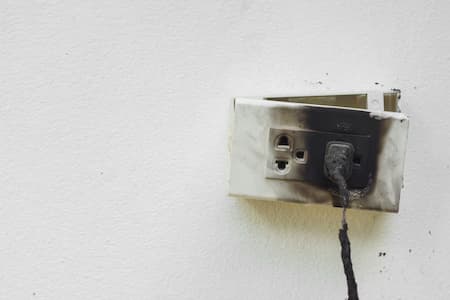
Monsoon storms, utility switching, and heavy summer AC loads make Phoenix homes vulnerable to sudden voltage spikes. If you want dependable coverage, whole-house surge protection is the backbone of a smart electrical safety plan. Below, we break down what these devices actually defend, what they don’t, and how to pair them with the right gear for complete home protection.
What Whole-Home Surge Protection Actually Does
A whole-home surge protector is installed at your electrical panel. When a spike hits your service, it diverts excess energy to ground before it races through branch circuits. Think of it like a pressure relief valve that protects the entire plumbing system, not just one faucet.
- Shield major appliances like refrigerators, ovens, washers, dryers, and well pumps from damaging spikes.
- Helps protect sensitive electronics such as TVs, gaming systems, and smart home hubs connected across your home.
- Reduces wear on internal wiring, breakers, and connected devices by clamping repeated minor surges.
In Phoenix, this matters most in late summer when storms roll off the mountains and dust storms kick up. Brief utility disturbances and lightning activity can trigger surges that silently shorten the life of your equipment.
What It Doesn’t Protect: Real-World Limits Homeowners Should Know
Even the best devices have boundaries. Setting clear expectations prevents expensive surprises.
- A whole-house surge protector does not prevent blackouts or brownouts. It isn’t a battery and does not keep power flowing during an outage.
- It won’t fix poor grounding or bonding. Surge devices rely on proper grounding to work correctly.
- It may not guard low-voltage lines by default. Coax, satellite, and Ethernet often need separate protection modules for a layered defense.
- It cannot guarantee protection from a direct lightning strike to your home. Direct hits can overwhelm any device. The goal is risk reduction, not absolute immunity.
- It doesn’t replace good electrical health. Aging panels, loose terminations, and overloaded circuits still need professional attention.
Lightning vs. Utility Surges: Why Phoenix Homes See Both
During monsoon season in Phoenix, AZ, storms can trigger two very different surge profiles:
Lightning-related surges: Nearby strikes can induce massive, fast-rising spikes on power and communication lines. Whole-home protection helps clamp the initial pulse, and point-of-use protection at sensitive equipment adds another layer.
Utility or grid switching surges: Brief spikes can occur when power is restored after an outage or when grid equipment switches states. These are common around summer peaks when AC demand is high across neighborhoods like North Phoenix, Arcadia, and Ahwatukee.
Surge Protector vs. UPS: They Solve Different Problems
Surge protectors and UPS systems often sit next to each other in stores, but they play distinct roles.
Whole-home surge protection: Clamps voltage spikes for the entire house at the panel. It protects many circuits at once but does not supply power.
UPS (uninterruptible power supply): Provides short-term battery power and voltage regulation to a single device or small setup plugged into it. Great for home offices, routers, and media centers.
Pairing whole-home protection with point-of-use surge strips or a UPS gives you layered security for critical electronics during Phoenix outages and restorations.
Type 1 vs. Type 2 Devices: The Basics
Without getting into the weeds of code language, here’s a helpful way to think about device placement:
- Type 1: Typically installed on the line side of your main panel at the service entrance. Designed to handle large external surges before they enter the panel.
- Type 2: Installed at the panel on the load side to clamp remaining energy and internal surges created by large appliances cycling on and off.
Many Phoenix homes benefit from a panel-mounted Type 2 device. In areas prone to more severe weather effects, adding a service-entrance solution can strengthen the first line of defense.
How “Layered Protection” Works In A Phoenix Home
The most reliable strategy stacks defenses so no single event slips through. For example:
Install a whole-home device at the panel to catch big surges, add point-of-use protection for premium electronics, and protect coax or Ethernet lines feeding your media room. If you have solar, storage, or an EV charger, ask an electrician to evaluate surge paths around that equipment as well.
Layered coverage is especially valuable in neighborhoods exposed to frequent summer storms or where power lines are overhead. It’s about limiting risk at each entry point to your home’s electrical system.
Monsoon Realities: Phoenix, AZ Homeowner Concerns
Monsoon runs from June 15 to September 30 in the Valley, with the most active period often in mid-summer. Gusty outflow winds can precede lightning by many miles. Utility disturbances can follow when crews re-energize sections of the grid.
Homeowners in Desert Ridge, Encanto, and Maryvale often tell us their AC and refrigerators are their top priorities. Whole-home surge protection helps reduce the risk of sudden compressor failures and control-board damage that can occur when power flickers return.
Local insight: Phoenix monsoon storms can produce quick, repeated spikes when power is restored after an outage. Whole-home surge protection plus properly maintained grounding helps reduce stress on AC compressors and sensitive smart-home gear.
Do You Still Need Point‑of‑Use Protection?
For sensitive gear like gaming systems, home office computers, and studio equipment, yes. A panel device handles the big picture, while plug-in surge strips and UPS units protect the last few feet of wiring and keep critical devices from crashing during short interruptions.
Think of it like locking your doors and also using a safe for valuables. Both help in different ways.
When to Consider Panel Work or Rewiring Alongside Surge Protection
If your panel is older, crowded, or warm to the touch, adding a surge device might be the perfect moment to review the system’s overall health. A modern panel improves reliability and gives your surge protection the best chance to do its job.
You can learn more about upgrading aging equipment here with our panel upgrades overview. Homes with older wiring or frequent tripping may also benefit from a deeper evaluation and, if needed, whole-house rewiring to bring everything up to today’s needs.
Signs Your Home Could Use Better Protection
While every home is different, Phoenix homeowners often notice patterns that point to surge stress:
- Electronics or LED bulbs fail sooner than expected, especially after storms.
- Breakers trip after utility restorations or during heavy AC cycling.
- Smart thermostats or routers reset unexpectedly during summer weather.
If any of these sound familiar, consider scheduling a checkup. A surge protection assessment pairs well with electrical safety inspections, which can uncover loose lugs, outdated breakers, or grounding issues that make surge damage worse.
How This Fits Your Phoenix, AZ Home Energy Plan
As more families add EV chargers, smart panels, and high-efficiency HVAC, the cost of downtime rises. Whole-home surge protection is a small part of a bigger reliability plan that keeps comfort systems online and protects home investments across the calendar, not just during monsoon season.
For homeowners who want a one-stop overview, this earlier article explains local conditions at a glance: why whole home surge protection is best for Phoenix. It pairs well with this deeper dive, so you can make a confident decision.
Choosing the Right Path Forward
Every property is unique. Load size, panel age, grounding quality, and where lines enter your home all factor into the best setup. That’s why a brief site visit helps us tailor the protection to your home instead of relying on a one-size-fits-all device.
If you’re beginning research, start with a single step: confirm your main goals. Do you want to guard big-ticket appliances through the summer, protect your home office from data loss, or stabilize your entertainment setup? From there, we can match the right mix of whole-home protection, point-of-use devices, and optional UPS units.
Quick Recap: What It Protects vs. What It Doesn’t
Protects:
- Most major appliances and household circuits from transient voltage spikes
- Many day-to-day internal surgesare caused by large appliances cycling
- Electronics across multiple rooms, when paired with proper grounding
Doesn’t Protect:
- Provide backup power during outages or sustained low voltage
- Replace grounding, bonding, or general electrical maintenance
- Guarantee protection from a direct strike to your structure
Get Covered Before The Next Storm
Monsoon winds, dust, and lightning will return each year. The best time to close the gaps is before the forecast turns. You can start with whole-house surge protection and then add device-level coverage where it matters most.
Prefer to chat with a pro first? Call 623-209-5244 and ask Phoenix Electricians Today to review your panel, grounding, and surge options. If you want a quick primer or to compare services, you can also learn more about our first-rate electriciansin Phoenix, AZ, to see how it fits your home’s reliability plan.