Phoenix Panel Upgrades: How to Tell if Your Home Can Handle an EV Charger
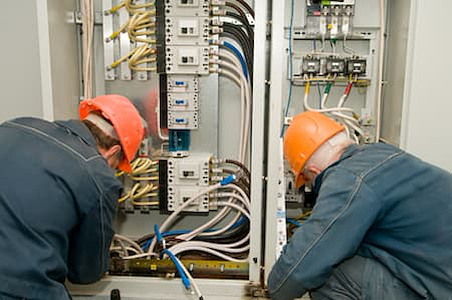
Ready to add a Level 2 charger but not sure your home can support it? Many Phoenix homes still run 100- or 125-amp service, while today’s charging and cooling needs often expect a 200-amp standard. If you want a quick primer before a licensed electrician visits, this guide shows you how to read your panel door schedule, flag overload warning signs, and decide whether a simple circuit or full panel upgrades is the right path.
For a broader overview of services and recent projects, you can also start at our home base and explore phoenix panel upgrades to see how Phoenix Electricians Today helps local homeowners plan safer, future-ready systems.
Why Level 2 Charging Stresses Older Panels
A Level 2 EV charger needs a dedicated 240-volt circuit. In real life that means a steady, higher load every time you plug in. Older 100- or 125-amp panels in mature Phoenix neighborhoods can already be busy with big summer air conditioning, an electric dryer, pool equipment, or a second fridge. Add a continuous charging load and the system may start to show its limits.
By contrast, a modern 200-amp panel provides more headroom and cleaner space for new two‑pole breakers. If you are planning long commutes, a second EV, or electrifying appliances in the future, stepping up capacity now helps you avoid rework later.
The Quick Capacity Check You Can Do Right Now
You don’t have to remove a panel cover to learn something useful. Stand in front of the panel, open the outer door only, and use this simple checklist. If anything looks off, take photos to share with your electrician.
- Find the “Main” rating. The main breaker handle or label lists 100, 125, 150, or 200 amps on most homes.
- Read the door schedule. Look for clear circuit labels and note any blank or “spare” spaces for new breakers.
- Scan for tandems. Lots of twin or tandem breakers can be a sign the panel is maxed on spaces.
- Count major loads. Air conditioner, electric range, dryer, water heater, pool equipment, and any workshop tools matter.
- Take two photos. One of the door schedule and one of the main breaker label. Share them with the tech when you schedule.
Do not remove the metal cover or touch internal wiring. That work is for a licensed electrician only.
Signs Your Panel May Be Overloaded
These real-world symptoms often show up in Phoenix when panels run near the limit, especially on triple‑digit days or during monsoon season:
- Lights dim or flicker when the AC, oven, or dryer starts
- Frequent breaker trips on hot afternoons
- Warm panel door, buzzing sounds, scorch marks, or a burnt smell
- Labels that don’t match what each breaker controls, or “creative” hand-scribbled notes
- Tandem breakers used everywhere just to make room
If you see any of the above, schedule a professional evaluation before installing an EV circuit. A charger should never share a circuit with other loads.
Phoenix Realities That Affect Your Decision
Our climate makes electrical planning a bit different. Summer heat pushes AC systems hard, and garage temperatures often run hotter than outside air. Panels on west-facing exterior walls soak up afternoon sun, which can stress aging equipment. Monsoon season can bring sudden voltage swings that expose weak connections.
Neighborhoods also vary. Mid‑century homes around central corridors may still have 100‑ or 125‑amp service and older load centers. Newer builds in North Phoenix and Desert Ridge tend to have more space and cleaner labeling. Your route from panel to parking spot matters too. Exterior conduit runs can be short and tidy when the panel sits near the garage, while longer attic paths may be better for curb appeal.
Local tip: During July and August, lightning and quick power dips are common. A whole‑home surge protector paired with a clean, tight panel connection helps protect sensitive electronics when storms roll through the Valley.
Safety reminder: If a panel cover feels hot or you smell burning plastic, stop using high‑draw appliances and call a licensed electrician right away.
When a 200-Amp or 400-Amp Upgrade Makes Sense
Many Phoenix homeowners upgrade to 200 amps when they add a Level 2 charger plus other big loads like an electric range, pool heat pump, or future solar. It isn’t just about “more power.” It is about safer organization, dedicated spaces for new breakers, and room to grow. Some larger properties or homes planning multiple EVs, electrified appliances, and solar-plus-battery storage explore 400-amp service. That choice depends on home size, existing equipment, and future plans.
Not every home needs a full service change. A well-placed subpanel or a smart layout can sometimes make space for charging without a major upgrade. That judgment call comes from a proper load calculation and a hands‑on inspection.
How Pros Decide: Load, Space, and Future Plans
A licensed electrician looks at three big things. First is available capacity based on your main service rating and real usage patterns. Second is space for a dedicated two‑pole breaker in the panel or a clean location for a subpanel. Third is your future roadmap. Planning for a second EV or an electric range now can prevent extra visits later.
As part of your homework, browse this related article on making your panel ready for solar and ev charging. It explains how panel layout, breaker sizing, and Phoenix heat influence long‑term reliability.
Pro tip: Take a clear photo of the panel door schedule and the main breaker label before your appointment. It speeds up sizing discussions and keeps surprises to a minimum.
Reading the Panel Door Schedule Like a Pro
Your panel’s inner door usually includes a factory label and a handwritten circuit index. Start with the model and bus rating printed on the factory label. That tells the electrician what the panel is designed to handle. Then read the handwritten index to see which circuits feed large appliances like AC, oven, or dryer. Open “spare” slots are a good sign for adding a dedicated EV breaker.
If the index is a mess or illegible, don’t worry. A pro will trace circuits safely and tidy up labeling. Avoid the quick fix of packing in more tandem breakers. That solves space, not capacity, and may not be appropriate for your panel.
Older 100- and 125-Amp Homes vs. Today’s 200-Amp Standard
Many homes built decades ago around Phoenix were never planned for a high, continuous charging load on top of heavy AC demand. That is why 100- and 125-amp services often feel tight once you add an EV. A 200-amp upgrade brings modern breathing room, cleaner organization, and easier expansion for the next project on your list.
If you already know your main says 100 or 125 and your schedule is packed, talk to a licensed electrician about a practical path forward. In some cases a subpanel handles near-term needs. In other cases a full electrical panel upgrade is the safer, simpler long‑term choice.
What to Expect When You Work With Phoenix Electricians Today
Our process is simple and thorough. We start with photos of your panel, a walkthrough of major appliances, and your charging goals. Then we check panel condition, verify grounding and bonding, and map a route from the panel to your parking spot that stays tidy and serviceable. Recommendations vary by home size, construction, and season, and your electrician will explain options in clear language so you can decide with confidence.
Once you approve the plan, your licensed technician completes the installation, labels circuits, and tests charging with your vehicle. You’ll know where everything lives and how to use it day to day. If future projects are on the horizon, we’ll size and place equipment to make add‑ons easier later.
Questions about materials or timing? Give us a call at 623-209-5244. We’re happy to talk through panel capacity, charging needs, and how Phoenix heat shapes smart routing choices.
Your Next Step
If you want at‑home charging that just works, start by confirming your panel capacity. Use the checklist above, gather a few photos, and then schedule a professional assessment. With Phoenix Electricians Today, you’ll get clear options for a dedicated EV circuit and a plan that fits your home today while leaving room for tomorrow.