Arizona Electric Code: Crucial Residential Safety Standards for Desert Homeowners
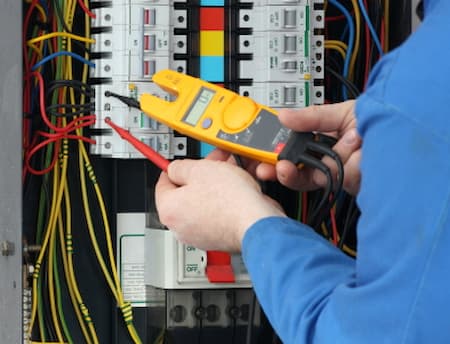
Triple-digit summers are a way of life in Phoenix, AZ. That heat tests every part of your home, especially the electrical system that hides behind walls and out by the meter. This guide breaks down how the Arizona electric code and National Electrical Code principles keep homes safe in a desert climate, what inspectors look for, and how to plan maintenance so your system stands up to the sun. If you want a focused checkup for your home, a professional electrical safety inspection is the fastest path to peace of mind.
Whether you live in Arcadia, Ahwatukee, North Phoenix, or a historic brick bungalow near Downtown, the goal is the same: reduce heat stress, prevent nuisance trips, and protect families and property. The ideas below apply statewide, from Flagstaff to the Valley.
What the Arizona Electric Code Means for Homeowners
Arizona follows core National Electrical Code guidance while local jurisdictions handle permitting and enforcement. For homeowners, the key takeaway is simple: your wiring, overcurrent protection, and grounding must be installed and maintained so they remain safe under expected conditions, including heat, sunlight, and dust.
Code language can feel technical, but you do not need to memorize it. Focus on outcomes that matter in the desert: proper conductor sizing, sound terminations, correct enclosure ratings, secure grounding and bonding, and equipment placed where it can breathe and stay within rated temperatures.
How Extreme Heat Affects Residential Electrical Systems
Summer heat in Phoenix often pushes materials to their limits. Sun-exposed surfaces can run far hotter than the air itself. That changes how parts age and how reliably they perform day to day.
- Insulation aging: UV and heat can accelerate the breakdown of exposed cable jackets and make older insulation brittle.
- Conduit movement: Metal and PVC expand and contract with temperature swings, which can loosen fittings or stress conductors if not installed with proper allowances.
- Main breaker performance: Outdoor service equipment faces sun load, dust, and hot enclosures that challenge thermal trip calibration and connections.
- Voltage drop and heat: High ambient temperatures reduce ampacity, so marginal circuits may run warm and trip more easily when big loads start.
These are predictable stressors in Phoenix, Scottsdale, Tempe, and Glendale. Good design and regular inspection control the risk so your home stays comfortable and safe when the mercury climbs.
Local insight: Afternoon sun on west-facing walls can push outdoor panels and conduits beyond comfort levels. Adding shade with proper clearances or relocating sensitive devices during permitted upgrades can improve reliability without sacrificing safety.
What Inspectors Check During a Home Electrical Safety Audit
A licensed electrician looks at the whole system with desert conditions in mind. The goal is to catch early signs of heat fatigue and correct them before they turn into bigger problems. During a thorough visit, your pro evaluates condition, capacity, and code-compliant protection across the home.
- Service equipment: enclosure rating, secure lugs, neutral and ground separation where required, corrosion on terminations, and breaker condition.
- Panelboards: labeling, torque on connections, evidence of overheating, and arc-fault and ground-fault protection presence where required by current standards.
- Outdoor runs: sun-exposed conduits, proper support and fittings, intact bushings, and suitable wiring methods for heat and UV.
- Grounding and bonding: rod or Ufer integrity, bonding jumpers, and continuity that helps clear faults quickly.
- Critical spaces: kitchen, bath, garage, and pool areas where moisture and heat meet electricity and protection must be exact.
When upgrades are recommended, they are tailored to your home’s age, materials, and exposure. If you are exploring other improvements around the house, browsing the broader residential electrician services may help you plan work in the right order so inspections and permits stay clean and efficient.
Desert-Proof Choices That Hold Up in Triple-Digit Heat
Homes in Phoenix tend to perform best when the electrical system is built with headroom. That means conductors sized for realistic heat, terminations that keep torque, and enclosures that handle sun and dust without compromising safety devices inside. The result is fewer nuisance trips and better long-term resilience.
In many neighborhoods, older homes have wiring and panels that were not selected with today’s heat loads and electronics in mind. If you see discoloration, a warm breaker face, or chalky conduit, that is your cue to schedule an evaluation before summer peaks. Simple choices like proper conductor ratings and sunlight-resistant raceways often deliver outsized reliability in Phoenix.
Outdoor Equipment and Service Entrance Considerations
Most service equipment in the Valley sits outside. That is practical, but it must be protected. Heat, UV, dust, and wind-driven rain from monsoon cells all strike the same gear. Inspectors look for correct enclosure ratings, sealed penetrations, drip loops with proper strain relief, and tight terminations that will not loosen with daily expansion and contraction.
Placement also matters. Shaded locations with safe working clearance can lower enclosure temperature and help breakers operate as designed. Where shade structures are added, clearances must remain accessible and compliant. Never block a panel with storage, vegetation, or a gate that cannot open fully. Access is critical in an emergency.
Monsoon Season: Heat, Dust, and Moisture
Monsoon storms bring out a different set of stresses. Fine dust finds its way into small openings, and quick bursts of moisture follow. Over time this can leave residue on lugs and bus bars if the enclosure or fittings are not tight. After a strong monsoon round, many homeowners notice breakers tripping more often or lights flickering under large loads.
When that happens, it is time for a checkup. A targeted electrical safety inspection can confirm whether you are seeing normal protective behavior or early signs of heat-and-dust wear that needs correction.
From Flagstaff to the Valley: Regional Notes
Arizona is big country. What works for a home under the pines near Flagstaff faces different challenges than a block home in Phoenix or a stucco bungalow in Tempe. In higher elevations, freeze-thaw cycles add movement to conduit runs, while in the Valley, constant sun exposure and attic temperatures often take center stage. Inspectors adjust the focus, but the goals do not change: safe clearances, solid grounding, and equipment kept within its rated environment.
For second homes and short-term rentals, especially in North Phoenix or near Old Town Scottsdale, reliability is also a guest-experience issue. Panels that run cool and circuits that are labeled and protected reduce callouts and protect your investment.
Attics, Garages, and Other Hot Zones
Attics over insulated ceilings can run very hot. Garages act like heat sinks in late afternoon. These spaces influence conductor temperature and device lifespan. Your electrician looks at how branch circuits pass through these zones, how connections are protected, and whether ventilation or layout changes could improve conditions without compromising safety.
Persistent attic heat can shorten the life of weak connections. That is why proper terminations and verified torque are part of every good safety inspection in Phoenix.
When To Schedule Inspections in Phoenix, AZ
Most homeowners do well with a regular safety check every few years, and a focused review before peak summer if the home is older, heavily remodeled, or sees high plug-in loads like EV charging and large appliances. After a severe monsoon stretch, a quick visual screening of outdoor equipment is wise, followed by a professional visit if you notice changes in how your breakers behave.
Buying or selling in Phoenix, Tempe, or Mesa? A current safety inspection pairs well with your general home inspection. It gives you a clear picture of electrical risk in a climate where heat never takes a break.
Small Signs That Deserve a Professional Look
You do not need to diagnose problems yourself. But it helps to know the kinds of clues that prompt a call. If any of these show up, bring in a licensed electrician to evaluate and correct the issue safely.
- Breakers that feel warm to the touch or trip more frequently as afternoons heat up
- Buzzing at the panel, discoloration on breakers, or a plastic odor near electrical gear
- Chalky, cracked, or sun-faded conduit and fittings on exterior walls
- Lights that dim when large equipment starts, especially during peak cooling hours
These symptoms do not always mean danger, but they do mean the system needs expert attention. You get clarity, not guesswork.
Plan Upgrades With the Whole Home in Mind
Panels, branch circuits, and outdoor equipment work together. When improvements are needed, it is smart to consider the entire electrical picture. That may include evaluating high-heat areas, shifting sensitive loads, and confirming that grounding and bonding are robust enough for modern electronics. If you are mapping out other projects too, browsing the residential electrician category can help you align electrical work with your overall plan so you are not opening the same wall twice.
For quick background about the standards that shape local best practices, you can even skim the Arizona electric code resources linked through Phoenix Electricians Today. Staying informed helps you ask the right questions during your appointment.
Why Desert-Focused Inspections Protect Your Investment
The best safety inspections look beyond pass-or-fail checklists. They measure how your system handles heat, sunlight, and dust over time. That forward-looking approach reduces unexpected outages, protects appliances and electronics, and keeps families safer. It also helps your home hold value in a market where buyers expect systems to be both safe and resilient.
A small issue found early is almost always easier to correct. That is the heart of preventive electrical care in Phoenix, AZ.
Ready To Protect Your Home in Phoenix?